Visualization: Narrative Visualization & Storytelling
Key Concepts
What is Narrative Visualization?
Narrative visualization combines data visualization with storytelling techniques to guide viewers through a specific interpretation of data. Unlike exploratory visualizations (where users freely explore), narrative visualizations have a directed path and intended message.
Core Principles
- Story Structure: Every data story needs a beginning (hook), middle (exploration), and end (insight/call to action)
- Progressive Disclosure: Reveal information gradually to build understanding
- Annotation: Use text, highlights, and callouts to guide attention
- Visual Hierarchy: Control what viewers see first, second, third
- Scaffolding: Provide context and background before showing complex data
Storytelling Structures for Data
1. Martini Glass Structure
- Opening: Single, focused message (the stem)
- Body: Interactive exploration (the glass)
- Conclusion: Return to the main message

2. Interactive Slideshow
- Linear progression through key points
- Each "slide" reveals one insight
- User controls pace (next/previous buttons)

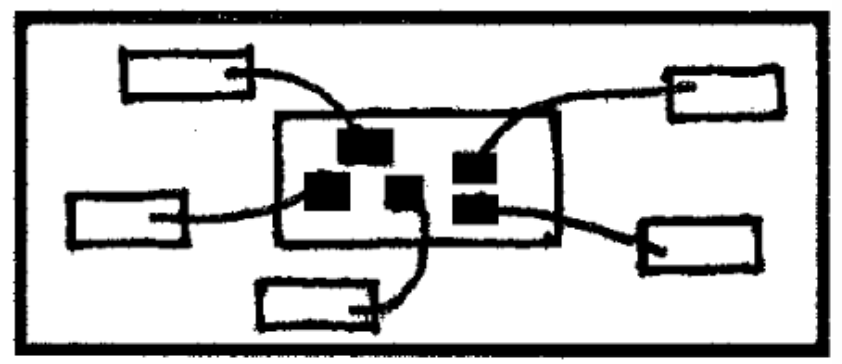
3. Drill-Down Story
- Start with overview
- Allow users to explore details
- Return to main narrative
4. Annotated Chart
- Single visualization with rich annotations
- Text guides interpretation
- Highlights key data points
5. Scrollytelling
- Story unfolds as user scrolls
- Visualizations animate or change on scroll
- Text and visuals are tightly integrated
Techniques for Guiding Viewers
Annotations
- Callouts: Highlight specific data points
- Labels: Explain what viewers are seeing
- Captions: Provide context and interpretation
- Arrows/Lines: Direct attention to important elements
Visual Highlighting
- Color: Use color to emphasize key data
- Size: Make important elements larger
- Position: Place key information in prominent locations
- Contrast: Use contrast to separate important from background
Text Integration
- Headlines: Set expectations
- Subheadings: Break up content into digestible sections
- Body Text: Provide context and interpretation
- Call-to-Action: Guide next steps
Interaction Design
- Progressive Disclosure: Show information in stages
- Hover States: Reveal details on demand
- Filters: Allow exploration while maintaining narrative
- Transitions: Smooth animations guide attention
Examples of Effective Narrative Visualizations
| Example | Structure | Key Technique |
|---|---|---|
| The Fallen of World War II | Martini Glass | Progressive disclosure, annotation |
| The Pudding - Hello Stranger | Scrollytelling | Scroll-triggered animations, text integration |
| 1 Pixel Wealth | Scrollytelling | Scroll-based scale revelation, visual metaphor |
| Gapminder | Exploratory / Undirected | Overview → exploration → conclusion |
| Reuters - How the novel coronavirus has evolved | Annotated Timeline | Rich annotations, visual hierarchy |
| Postcards from a World on Fire | Drill-down Story | Opening message + browse |
| Stories of Climate Hope & Possibility | Drill-down Story | Opening message + browse |
Common Pitfalls to Avoid
- Overwhelming with Data: Too much information at once
- Lack of Focus: No clear message or takeaway
- Poor Text Integration: Charts and text feel disconnected
- Missing Context: Assuming viewers understand background
- Weak Opening: Failing to hook viewers immediately
- No Call to Action: Ending without clear next steps
- For Climate-Related Stuff: Feelings of hopelessness, powerlessness
Questions to Ask When Designing
- What is the one key message I want viewers to remember?
- Who is my audience and what do they already know?
- What is the best structure for this story? (Martini glass, slideshow, etc.)
- What annotations are needed to guide interpretation?
- How can I use visual hierarchy to emphasize the main point?
- What interactions will enhance (not distract from) the story?
Further Reading
- Segel, E., & Heer, J. (2010). Narrative visualization: Telling stories with data. IEEE Transactions on Visualization and Computer Graphics.
- Cairo, A. (2016). The Truthful Art: Data, Charts, and Maps for Communication. New Riders.
- Knaflic, C. N. (2015). Storytelling with Data: A Data Visualization Guide for Business Professionals. Wiley.